The complexity of Code Approvals for building materials in the USA
There is no single national code. Authority fragments down to the county, the contractor, and even the HOA, and this is the lay of the land.

A manufacturer arriving from almost anywhere else in the world carries one assumption that the United States quietly destroys in the first weeks: that the law is a single thing, written once, and applied the same way across the whole territory. In most countries it is. You learn the national rule, you comply with it, and you are free to sell from one border to the other. Here that instinct is the first thing that fails you.
There is no national building code. There is a model, the ICC family that most of the country leans on, but a model is not a law until someone adopts it, and adoption is a local decision made unevenly across thousands of jurisdictions. Some regions demand strict approvals before a product can touch a roof. Others wave it through. The difference is not set in Washington. It is set far below that, county by county, and sometimes lower still, by the office that actually inspects the work and signs the permit. The same product can be routine in one county and effectively barred in the next one over.
Then, on top of the public rule, there is a private one. Tens of millions of American homes sit inside communities run by a homeowners association, and in markets like Florida and Colorado that layer is especially powerful. Where it exists, the association can forbid a product the code would otherwise allow. You can be fully legal and still locked out, because a community decided your material does not belong on its roofs. Compliance, it turns out, does not end at the permit counter. Some approvals are mandatory. Others are closer to a badge. The Miami-Dade NOA is the hardest gate in the country to clear, required inside the High Velocity Hurricane Zone, but a product that carries it anywhere else is telling the market it already survived the toughest test there is, so manufacturers chase it even when they have no intention of selling in Miami. The TDI in Texas, the UL and FM marks that matter for commercial buildings, the ICC evaluation reports, all sit somewhere on that same line between requirement and reputation, depending on where you are standing.
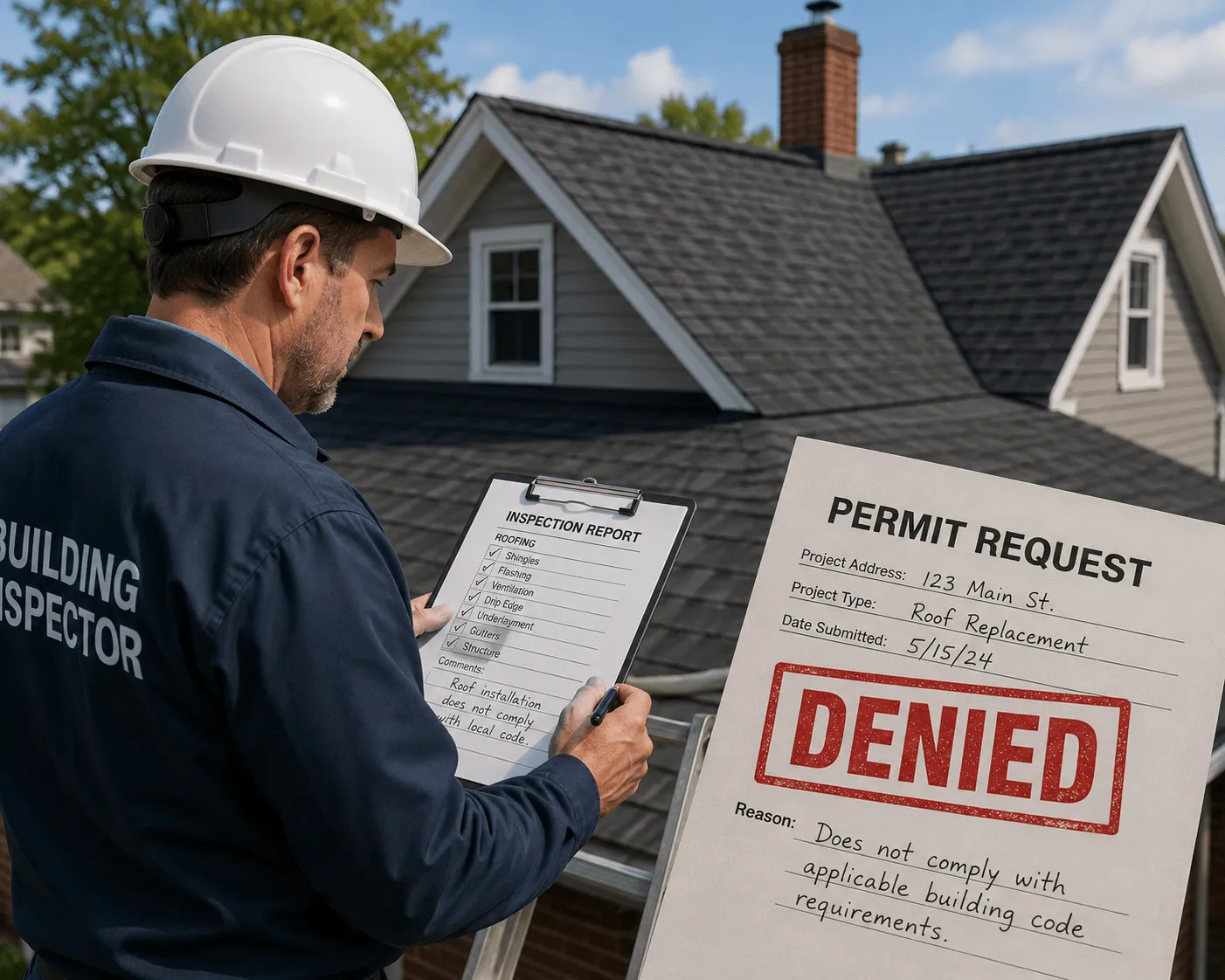
And the rule on paper is only as real as its enforcement, which is again local. Whether you may lay a metal roof straight over the old shingles or must strip everything down to the deck first is decided by what the local authority insists on inspecting. Who is even allowed to do the work shifts just as hard, from Miami-Dade, where only licensed contractors put on a new roof, to unincorporated stretches of the Midwest where a homeowner can climb up and do it themselves on a Saturday. Same country, opposite worlds, a few states apart.
None of this is meant to be understood yet. The point is only to see the shape of it. The manufacturer who treats the United States as one market with one rulebook will misfire, again and again, without ever quite knowing why. The one who reads it as a patchwork of local authorities, public and private, mandatory and merely prestigious, has at least started in the right place. In the articles that follow we will take this mess apart one piece at a time.
I write when something worth saying happens in global trade. If that’s a conversation you want to be part of, leave your email.